Designing with Strength: A Practical Guide to Barbell Weightlifting Gym Clip Art
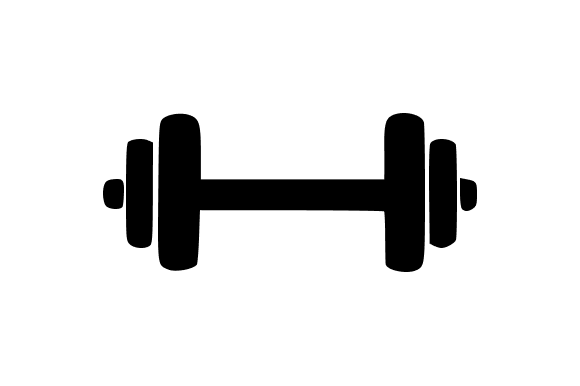
Visual assets in the fitness space need to communicate discipline, energy, and results instantly. Whether you are building a brand for a gym, designing educational materials for strength training, or putting together a marketing campaign for a health startup, the right graphic is a force multiplier. Barbell Weightlifting Gym Clip Art represents more than a simple image; it is a modular, scalable component that can accelerate your design timeline, enforce brand consistency, and reduce the friction between concept and final output.
This guide focuses on the practical integration of this specific clip art package into professional workflows. We will examine how vector and raster formats interact with different tools, how to prepare your file structure for efficiency, and how to deploy the asset across print, web, and social platforms without compromising quality. The goal here is not decoration for its own sake, but strategic deployment for measurable results.
The Anatomy of a Modular Design Asset
Before discussing implementation, it is critical to understand what you are working with. Barbell Weightlifting Gym Clip Art is not a single file but a package of formats, each optimized for a distinct phase of the creative process. Recognizing the role of each format will determine how effectively you can move from ideation to production.
- SVG (Scalable Vector Graphics): This is your primary tool for digital environments. Because it is resolution-independent, SVG ensures that your barbell illustration renders crisply on a 27-inch monitor and a smartphone screen alike. It is text-based, meaning developers can manipulate it directly in code, change colors via CSS, and integrate it seamlessly into responsive web frameworks.
- EPS (Encapsulated PostScript): This format is the industry standard for professional print and vector editing software like Adobe Illustrator and Affinity Designer. EPS files retain complex layer information, paths, and editable elements. If your workflow involves customizing colors, adjusting stroke weights, or combining elements from multiple sources into a single composition, EPS is your starting point.
- JPG (Joint Photographic Experts Group): A high-resolution JPG is your lightweight proofing tool. Use it for inserting into drafts, sending quick previews to clients, or using in applications where vector editing is not required but image clarity is still important.
- PNG (Portable Network Graphics): Transparency is the key feature here. The PNG format allows the clip art to sit on top of any background without a harsh white box. This is essential for overlays on social media stories, YouTube thumbnails, presentation slides, and composite imagery where you want the graphic to float naturally over the scene.
Strategic Integration into Your Creative Workflow
Assets are only as useful as the process that surrounds them. Barbell Weightlifting Gym Clip Art can be deployed at multiple stages of a project, and choosing the right format for each stage will save you revision cycles.
Preparation and Planning Phase
During the initial wireframing or storyboarding phase, speed is paramount. You are not concerned with final color palettes or pixel-perfect alignment. You need to communicate layout and hierarchy. The SVG format excels here. Drag the SVG directly into your design software—Figma, Sketch, or even a web mockup tool—to block out where the visual will sit. Because SVG handles scaling without performance degradation, you can resize the barbell to dominate a hero section or sit subtly within a sidebar without waiting for exports or dealing with pixelation.
Execution and Production Phase
This is where the EPS file becomes your primary interface. Open the file in your vector editor. The layer structure should be clean, allowing you to isolate elements. If your brand uses a specific hex color for secondary accents, you can select the bar or the plates and apply that swatch globally.
A practical workflow for consistency:
- Open the EPS in Adobe Illustrator or Affinity Designer.
- Unlock and examine the layers. Typically, main elements (bar, plates, collars) are separated.
- Apply your brand color palette using global swatches. This ensures if you decide to tweak the tint later, one change updates the entire asset.
- Save the edited file as an .AI or .AFDESIGN master file. This becomes your single source of truth.
- From this master file, export new SVGs for web use, high-res PNGs for social media, and JPGs for documentation.
Delivery and Publishing Phase
When preparing the final deliverable, format specificity matters. For a client presentation running on a projector, JPG is reliable and universal. For a website header, the SVG must be minified and tested for responsive behavior. For an overlay on a training video thumbnail, the PNG format guarantees no awkward background clipping around the barbell. By matching the format to the delivery channel, you eliminate potential rendering issues before the client or audience sees them.
Software Compatibility and Technical Requirements
The interaction between this clip art and your software stack determines how efficiently you can work. Here is how it integrates into common environments:
Web Development and UI Design
If you are building a fitness app or a gym directory site, the SVG format is your best investment. Modern frameworks like React, Vue, and Angular can import SVG files as components. This means you can control the appearance of the barbell icon directly through JavaScript or CSS. You can animate the plates sliding onto the bar, change colors based on user interaction, or ensure the graphic scales perfectly from a smartwatch display to a 4K monitor. No other raster format offers this level of interactive integration.
Desktop Publishing and Print
For flyers, posters, signage, or merchandise design, EPS is the standard. Print shops typically request vector files to ensure the highest quality output. If you provide a low-res JPG, you risk a blurry print. If you provide the EPS, the printer can scale the Barbell Weightlifting Gym Clip Art to billboard size without losing a single line of definition. Before submitting, convert your text properties to outlines (if any text is included) and embed any linked images to prevent font or link errors at the print house.
Rapid Design Platforms
Tools like Canva, Crello, and Figma have specific import behaviors. For Canva, importing the PNG with a transparent background is usually the quickest path. It allows you to resize and overlay without technical friction. For Figma, dragging and dropping the SVG retains the vector nature and allows for color manipulation directly within the browser-based interface. Understanding these platform nuances ensures you spend less time troubleshooting imports and more time composing the layout.
Quality Control and Asset Management
Disorganization is a hidden tax on productivity. Without a system for storing and retrieving your Barbell Weightlifting Gym Clip Art files, you waste time searching through folders, using incorrect versions, or re-downloading assets.
Building a Local Asset Library
Create a dedicated folder structure that mirrors a professional digital asset management system. A simple hierarchy might look like this:
- _Assets / Gym Clip Art /
- SVG / (store the raw SVG and any minified .svg files)
- EPS / (store the master vector file)
- PNG / (store exports at 300ppi for print, 72ppi for web)
- JPG / (store for drafts and proofs)
- _Masters / (store your edited .AI or .FIG files that contain your brand color adjustments)
By separating the original source files from your working edits, you maintain a clean backup. If a file becomes corrupted or needs to be reused for a future project, you always have the original, unmodified EPS or SVG to fall back on.
Maintaining Consistency Across Campaigns
A common workflow error is using a slightly different version of a graphic across different media, creating a disjointed brand feel. Because Barbell Weightlifting Gym Clip Art provides a single source of truth, you can enforce consistency. If you adjust the stroke weight or color in the master EPS file, systematically re-export all your web and print assets from that single file. This batch processing ensures that the barbell on your Instagram post looks identical to the one on your website header, reinforcing visual recognition.
Practical Applications for Professionals
The theoretical workflow is valuable, but understanding how different roles leverage this asset solidifies its utility.
For the Marketing Manager
You are responsible for a monthly campaign and a pop-up event. You need a flyer, an email header, and a pull-up banner. Instead of hiring a custom illustrator for a simple graphic, you open the EPS file, apply your seasonal color palette, and export the necessary files. The total time is under thirty minutes. The budget saved can be allocated to copywriting or paid ad spend. The asset becomes a lever for speed and cost efficiency.
For the SaaS Creator
You are building a workout tracking app. You need icons for different exercises. The Barbell Weightlifting Gym Clip Art can be simplified and used as an icon in the interface. Using the SVG format, you can ensure the icon loads instantly, scales to any screen density, and matches your app’s UI design tokens. The process involves opening the SVG in a text editor or design tool, stripping unnecessary details to fit the icon grid, and exporting the optimized vector.
For the Educator and Content Creator
Teaching biomechanics or strength training principles requires clear visual aids. The clip art can be broken apart in the EPS format. Isolate the barbell, the plates, and the lifter. Annotate the diagram with labels and arrows. This transforms a generic graphic into a specific educational tool. For a YouTube tutorial thumbnail, drop the PNG of the clip art over a gym background, add text, and you have a cohesive thumbnail that clearly communicates the video’s topic without copyright complications or generic stock imagery.
Long-Term Maintenance and Future-Proofing
Digital assets often degrade in value if not maintained. File formats change, storage gets messy, and brand guidelines evolve. The Barbell Weightlifting Gym Clip Art, particularly the SVG and EPS formats, are designed for longevity.
SVG is an open standard. It is not tied to a specific software subscription. As long as there are browsers and text editors, SVG files will remain readable and editable. EPS is similarly entrenched in the print industry. By keeping these master files organized and backed up in a cloud service (like Dropbox or Google Drive) and a local external drive, you ensure that this specific visual asset can be redeployed years later for a rebrand or anniversary event.
When your brand guidelines change—perhaps shifting from a bold orange to a minimalist black palette—the update is applied to the master file once, and all downstream assets are regenerated. This systematic approach to asset management ensures your visual library remains coherent and usable, delivering consistent value across every project.
Integrating Barbell Weightlifting Gym Clip Art into your workflow is not about finding a quick image. It is about adopting a structured approach to visual assets that prioritizes preparation, format intelligence, and systemized organization. The files you receive—SVG, EPS, JPG, PNG—are not merely options. They are specific tools for specific stages of your creative and professional process. Use them deliberately, manage them carefully, and they will serve as a reliable foundation for fitness-related design work for years to come.