How a Luxury Geometrical Logo Company Business Can Reshape Your Brand Identity
When you begin evaluating options for refreshing your company’s visual identity, the sheer range of design directions can feel overwhelming. Minimalist flat logos compete with ornate typography, while abstract symbols sit alongside photographic marks. Somewhere in the middle of that spectrum lies a particularly compelling approach: the luxury geometrical logo company business model, which fuses precision geometry with high-end aesthetic sensibilities. For professionals aged 20 to 50 who are researching identity solutions for a startup, a rebrand, or a product launch, understanding where this style fits and how it compares to other approaches can make your decision much clearer.
What Makes a Luxury Geometrical Logo Distinct
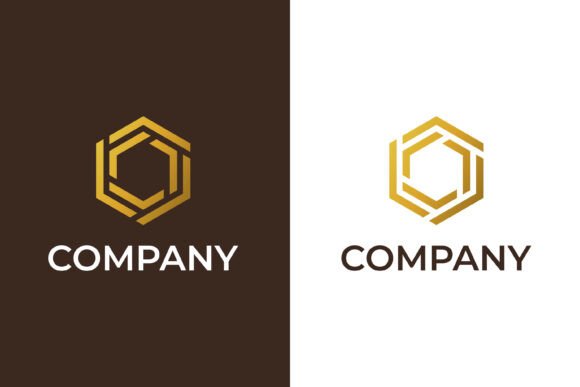
A luxury geometrical logo company business typically refers to a design practice that uses clean geometric shapes—circles, triangles, squares, intersecting lines, and symmetric grids—to create a mark that feels both premium and modern. Unlike hand-drawn or illustrative logos, these designs rely on mathematical precision. The luxury aspect comes from the careful selection of proportions, negative space, color palettes, and the overall feeling of refinement that emerges from disciplined composition.
What sets this category apart is its commitment to consistency across every format. Because the logo is built from scalable vectors, the same mark looks equally polished on a business card, a website header, a mobile app icon, or a large-format billboard. This versatility is not accidental—it is engineered into the design from the start. The luxury geometrical logo company business approach prioritizes adaptability without sacrificing the sense of exclusivity that many brands want to convey.
Core Characteristics That Define This Style
- Precision symmetry and balance: Designs are often based on grids or golden-ratio proportions, creating a visual harmony that feels intentional and sophisticated.
- Restrained color usage: Palettes tend toward monochromatic, metallic, jewel-tone, or neutral schemes, reinforcing a high-end feel without visual clutter.
- Strong silhouette recognition: The simplified geometry ensures the logo remains identifiable even at small sizes or when printed in a single color.
- Vector-based file structure: Files come as .AI, .EPS, PDF, JPG, PNG, and SVG, with fully editable master files that give you complete creative control.
- High resolution for print and digital: At 300 DPI, these designs maintain immaculate clarity on everything from web graphics to premium printed collateral.
These attributes make the luxury geometrical logo company business a strong candidate for industries such as finance, law, luxury retail, real estate, hospitality, and tech startups that want to project authority and taste. However, it is not a one-size-fits-all solution, and understanding its limitations is just as important as recognizing its strengths.
Comparing Luxury Geometrical Logos with Other Design Approaches
To decide whether this style fits your needs, it helps to place it alongside other common logo categories. Here is how it compares on a few key dimensions.
Geometrical vs. Minimalist Flat Logos
Minimalist flat logos have dominated digital design for the past decade. They typically use simple two-dimensional shapes, solid colors, and little to no shading. Both styles value simplicity, but a luxury geometrical logo company business tends to incorporate more nuanced proportioning, negative space play, and refined typography. Where a flat logo might use a basic circle with a sans-serif wordmark, a geometrical luxury logo might use an interlocking ring structure with subtle cutouts and a custom-modified typeface. The difference is in the level of craft and the degree of visual sophistication. If your brand needs to communicate efficiency and approachability, flat minimalism may be a better fit. If you want to convey prestige and precision, the geometrical luxury route offers more depth.
Geometrical vs. Handcrafted or Illustrative Logos
Illustrative logos—featuring detailed drawings, watercolor textures, or hand-lettering—are popular for artisanal brands, bakeries, creative agencies, and children’s products. They excel at conveying warmth, personality, and uniqueness. However, they can be difficult to reproduce consistently across all media, especially at very small sizes or in single-color print. A luxury geometrical logo company business design, by contrast, prioritizes reproducibility. The tradeoff is that geometry can feel more impersonal. If your brand story hinges on human touch or craft heritage, an illustrative approach may resonate more deeply. If your brand centers on innovation, trust, and clarity, geometrical design will likely serve you better.
Geometrical vs. Typography-Only Logos
Wordmarks and lettermark logos rely entirely on type treatment. They can be extremely elegant when paired with custom fonts, but they lack the symbolic layer that a geometrical mark can provide. A luxury geometrical logo company business often combines a symbol with typography, giving you two assets to use independently or together. This increases flexibility. For example, the symbol alone works well as an app icon, while the full lockup appears on letterhead. Typography-only logos are simpler to implement, but they may not convey the same level of brand depth or recognition in crowded markets.
Strengths and Tradeoffs You Need to Know
Every design choice involves tradeoffs. Here is a realistic look at where the luxury geometrical logo company business excels and where it has limitations.
Strengths
- Exceptional adaptability across media: The vector foundation allows seamless scaling from a 16px favicon to a 10-foot banner. This is invaluable for modern brands that need consistent visuals across web, app, print, and environmental design.
- Timeless aesthetic: Geometric designs that rely on classic proportions tend to age well. They are less likely to look dated in five or ten years compared to heavily stylized or trend-driven logos.
- Professional authority: The precision and restraint associated with this style often convey competence, attention to detail, and high standards—qualities valued in B2B, financial, legal, and luxury sectors.
- Complete creative control: With fully editable master files in .AI and .EPS, you are not locked into a single interpretation. Your design team can modify colors, adjust spacing, or repurpose elements for new campaigns without starting from scratch.
Tradeoffs
- May feel cold or corporate: The same precision that signals professionalism can also feel distant. For brands built on community, warmth, or spontaneity, the geometric style may create an unintended emotional barrier.
- Higher setup cost for true quality: While templates exist, a genuinely refined geometrical logo requires skilled craft, custom grid work, and often a higher initial investment compared to basic logo concepts.
- Less room for storytelling: A geometric symbol is abstract by nature. It does not easily depict faces, objects, or historical references. If your brand relies on a clear narrative image, you may need a hybrid approach or a different style entirely.
- Risk of similarity: Because geometric forms are limited to basic shapes, many brands in similar industries can end up with logos that feel alike. Differentiation depends heavily on color, typography, and unique proportional variations.
When a Luxury Geometrical Logo Is the Right Choice
Based on the strengths and tradeoffs outlined, here are scenarios where this style tends to be a strong fit.
Rebranding a Company That Needs Modernization
If your current logo feels cluttered, outdated, or inconsistent across digital platforms, transitioning to a luxury geometrical logo company business approach can instantly refresh your image. The clean structure reads as contemporary while the refined details prevent it from feeling cheap or generic. For example, a mid-sized law firm moving away from a serif-heavy seal to a simplified geometric monogram often finds that it better reflects modern professionalism and works better on their website and mobile presence.
Launching a Premium Product or Service
Startups in the luxury goods, high-end technology, or exclusive service spaces often choose geometrical logos to signal quality and attention to detail before they have a long track record. A well-executed geometric mark can imply that the brand is serious, reliable, and worth the premium price point.
Expanding into International Markets
Geometric symbols often transcend language barriers more effectively than typography-heavy designs. If your company is entering new regions with different scripts or alphabets, a strong visual mark can serve as a universal identifier. The luxury geometrical logo company business model is particularly useful here because the high resolution and multi-format file set ensure consistent reproduction across different printing standards and digital platforms worldwide.
When You Might Want an Alternative
By contrast, there are situations where a different logo approach may serve you better.
Brands Built on Heritage or Handcraft
If your company’s core story involves artisanal processes, family legacy, or handmade products, an illustrative or script-based logo can reinforce that narrative more directly. A geometric logo might look out of place on a handcrafted leather goods website or a farm-to-table restaurant menu.
Highly Visual or Entertainment-Driven Brands
Media companies, entertainment brands, and creative agencies often benefit from logos that are expressive, dynamic, or playful. The discipline of geometrical design may feel too restrictive for these use cases. In such industries, a custom illustration or a flexible wordmark with variable color treatments might be a better match.
Budget-Conscious Early-Stage Startups
While templates exist, a truly custom luxury geometrical logo company business design with editable master files and high-resolution outputs typically requires a meaningful investment. If your budget is very tight, a simpler wordmark or a basic paired-down logo may let you allocate resources to product development or marketing. You can always upgrade to a more refined geometric identity in a later rebranding phase.
Practical Examples to Guide Your Decision
Consider a real estate development firm that builds high-end condominiums. Their target buyers are professionals in their 30s and 40s who value modern design and attention to detail. A luxury geometrical logo company business identity would align well: a clean mark based on intersecting rectangles that subtly suggest floor plans or structural elements, paired with a sharp sans-serif typeface. The logo could be used on project brochures, website headers, building signage, and digital ads with consistent impact.
Compare that to a local artisanal coffee roaster. Their customers are drawn to the story of small-batch sourcing and craft roasting. Here, a geometrical logo might feel too sterile. A hand-drawn coffee bean illustration with a script wordmark would likely connect more authentically. The choice is not about which style is better—it is about which one communicates the brand truth more effectively.
Key Factors to Weigh Before Choosing
As you evaluate your options, keep these decision factors in mind:
- Primary usage medium: Will your logo appear mostly on digital screens, in print, or both? Geometrical logos excel across all formats, but if print is secondary, you may have more flexibility.
- Brand personality: Is your brand formal, innovative, exclusive, or warm? Geometry leans toward the first three. If warmth is central, consider a hybrid or different style.
- Longevity vs. trend alignment: If you plan to keep the logo for a decade or more, the timeless nature of geometric design is a strong asset. If you expect to rebrand frequently, you might prefer a more trend-driven approach.
- Internal design capability: Having editable master files in .AI and .EPS is powerful only if you or your team can use them. Make sure you have access to Adobe Illustrator or a compatible tool, or budget for a designer to handle modifications.
- Competitive landscape: Research whether competitors in your industry already use geometric logos. If the field is crowded, you may need a distinctive variation or a different approach to stand out.
Final Considerations for Your Brand Identity Decision
The luxury geometrical logo company business model offers a polished, versatile, and enduring approach to brand identity. Its strengths lie in precision, adaptability, and the ability to convey sophistication without excessive complexity. For companies in professional services, luxury goods, technology, and other fields where authority and clarity matter, it remains a compelling choice.
At the same time, no single design style fits every brand. The key is to match the visual approach to your company’s values, audience expectations, and practical needs. By understanding what geometry offers and where it falls short, you can make a decision that supports your brand's long-term success. Take time to explore examples, compare file formats and resolution standards, and consider how the logo will look in your most common use cases. With careful evaluation, you can choose an identity that truly revitalizes your corporate image and serves you well across all your creative ventures.